Personal Injury PPC: Costs, Budget, And Lead Strategy
Categories: Legal Marketing Strategies
 Abram Ninoyan
Founder & Senior Performance Marketer
Credentials: Google Partner, Google Ads Search Certified, Google Ads Display Certified, Google Ads Measurement Certified, Google Analytics (IQ) Certified, HubSpot Inbound Certified, HubSpot Social Media Marketing Certified, Conversion Optimization Certified
Expertise: Google Ads, Meta Ads, Conversion Rate Optimization, GA4 & Google Tag Manager, Lead Generation, Marketing Funnel Optimization, PPC Management
LinkedIn Profile
Personal injury PPC consistently ranks as the most expensive category in Google Ads, with single clicks routinely costing $75 to $400+ depending on your metro area and case type. But the firms getting...
Key Takeaways
- Personal Injury PPC: Costs, Budget, And Lead Strategy 2026
- What is personal injury PPC and why is it tricky in 2026?
- How much does personal injury PPC cost in 2026?
- Step 1. Set goals and track signed-case ROI in GavelGrow
Personal Injury PPC: Costs, Budget, And Lead Strategy 2026
Personal injury PPC consistently ranks as the most expensive category in Google Ads, with single clicks routinely costing $75 to $400+ depending on your metro area and case type. But the firms getting real ROI from paid search aren't necessarily outspending competitors, they're out-measuring them.
Most personal injury firms track cost per lead and stop there. That number tells you almost nothing useful. A $150 lead that signs a $50K contingency-fee case is infinitely more valuable than a $40 lead who ghosts your intake team. The metric that actually matters is cost per signed retainer, and it is the number many firms find hardest to report accurately. That gap between what firms spend and what they can prove is where most PPC budgets quietly bleed out.
This guide breaks down what personal injury PPC actually costs in 2026, how to set a budget that ties to revenue goals instead of arbitrary monthly caps, and which campaign structures consistently outperform generic setups. We'll cover keyword strategy, bidding mechanics, landing page fundamentals, and the intake speed problem that kills conversions before your ads ever get a chance to work. Every recommendation draws on real performance data from PI firms running campaigns through GavelGrow's platform and managed services, not hypothetical best practices borrowed from e-commerce playbooks.
Key Takeaways
- Average PI cost per click ranges from $75 to $400+ by market in 2026.
- Cost per signed case, not cost per lead, is the only PPC metric that matters.
- Leads contacted within 5 minutes were 21 times more likely to qualify than those first reached at 30 minutes (Lead Response Management Study).
- Branded, mobile-first landing pages outperform generic contact forms by 2–3×.
- Full-funnel attribution from click to retainer eliminates wasted spend.
What is personal injury PPC and why is it tricky in 2026?
Personal injury PPC is paid search advertising run by PI law firms on platforms like Google Ads and Microsoft Advertising, where you bid to appear at the top of search results when someone types queries like "car accident lawyer near me" or "slip and fall attorney Chicago." You pay each time someone clicks your ad, and in PI specifically, those clicks carry some of the highest CPCs of any industry because the potential case value is enormous. A single signed motor vehicle accident case can generate $30,000 to $150,000+ in attorney fees, so every firm in your market is chasing the same small pool of high-intent searchers.
How PI PPC Works Differently from Standard Google Ads
Most Google Ads guides were written for e-commerce, where a $30 product purchase closes the same day someone clicks an ad. Personal injury intake works nothing like that. A prospect clicks your ad, lands on your page, fills out a contact form or calls your number, speaks to an intake specialist, schedules a consultation, attends that consultation, and then decides whether to sign. That funnel can span days or weeks, which means your ad platform's built-in conversion data is almost always measuring the wrong event: a form fill or a phone call, not a signed retainer.
This distinction matters because Google's Smart Bidding algorithms optimize toward whatever conversion event you feed them. If you tell Google to optimize for form fills, it finds people likely to fill out forms, including tire-kickers, people researching for a friend, or competing firms checking your ads. Feed it signed-case data instead, and the algorithm hunts for the behavioral profile of people who actually become clients.
The conversion event you optimize for determines the clients you attract. Feed Google the wrong signal and your budget will efficiently find the wrong people.
Why 2026 Makes PI PPC Harder Than Ever
Three structural shifts have made personal injury PPC more competitive and more expensive in 2026 compared to two years ago. First, Google's AI-generated search overviews now appear above paid ads for many informational queries, compressing the organic traffic that used to supplement paid campaigns and forcing more budget into the auction. Second, Google's Performance Max campaigns push many firms toward broad automated targeting that spends budget on low-intent queries without the granular keyword-level control that PI campaigns require. Third, Local Services Ads now appear above traditional search ads for many "lawyer near me" queries, adding a second paid channel you must fund to maintain full visibility at the top of the page.
The result is a more expensive, more fragmented paid search environment. Firms winning in 2026 run tightly structured, data-fed campaigns with clear attribution from ad click to signed retainer, not firms dumping budget into broad automated campaigns and hoping for the best.
The Compliance Layer Most Firms Skip
State bar advertising rules add a compliance dimension that no general-purpose PPC guide addresses. Most states prohibit specific claims like "best PI lawyer in Dallas" or unverified superlatives. Some require disclaimers on ads that reference past results. Florida, California, and Texas each publish distinct advertising guidelines, so the rules your competitor in another state follows may get your firm a bar complaint.
Before you write a single ad headline, you need to review your state bar's advertising rules and build an internal approval checklist for ad copy. GavelGrow's platform ships with state-bar compliance defaults baked into intake forms and ad templates, which removes the risk of a well-meaning team member publishing non-compliant copy under deadline pressure. Compliance is not a box you check once; it requires a repeatable review step in your campaign workflow every time an ad gets updated.
How much does personal injury PPC cost in 2026?
Personal injury PPC sits at the top of Google's CPC charts across all industries. WordStream's 2024 legal industry benchmark data places legal as the most expensive category in Google Ads, and PI specifically commands $75 to $400+ per click in competitive metros like Los Angeles, Houston, and Chicago. Smaller markets run cheaper, but even mid-size cities like Columbus or Memphis regularly see CPCs of $40 to $120 for high-intent queries like "car accident attorney near me." You should treat these ranges as floor estimates, not ceilings, because local competitor density and Quality Score gaps can push your actual CPCs significantly higher.
Your cost per signed case depends less on your CPC and more on your conversion rate at every step from click to consultation to retainer.
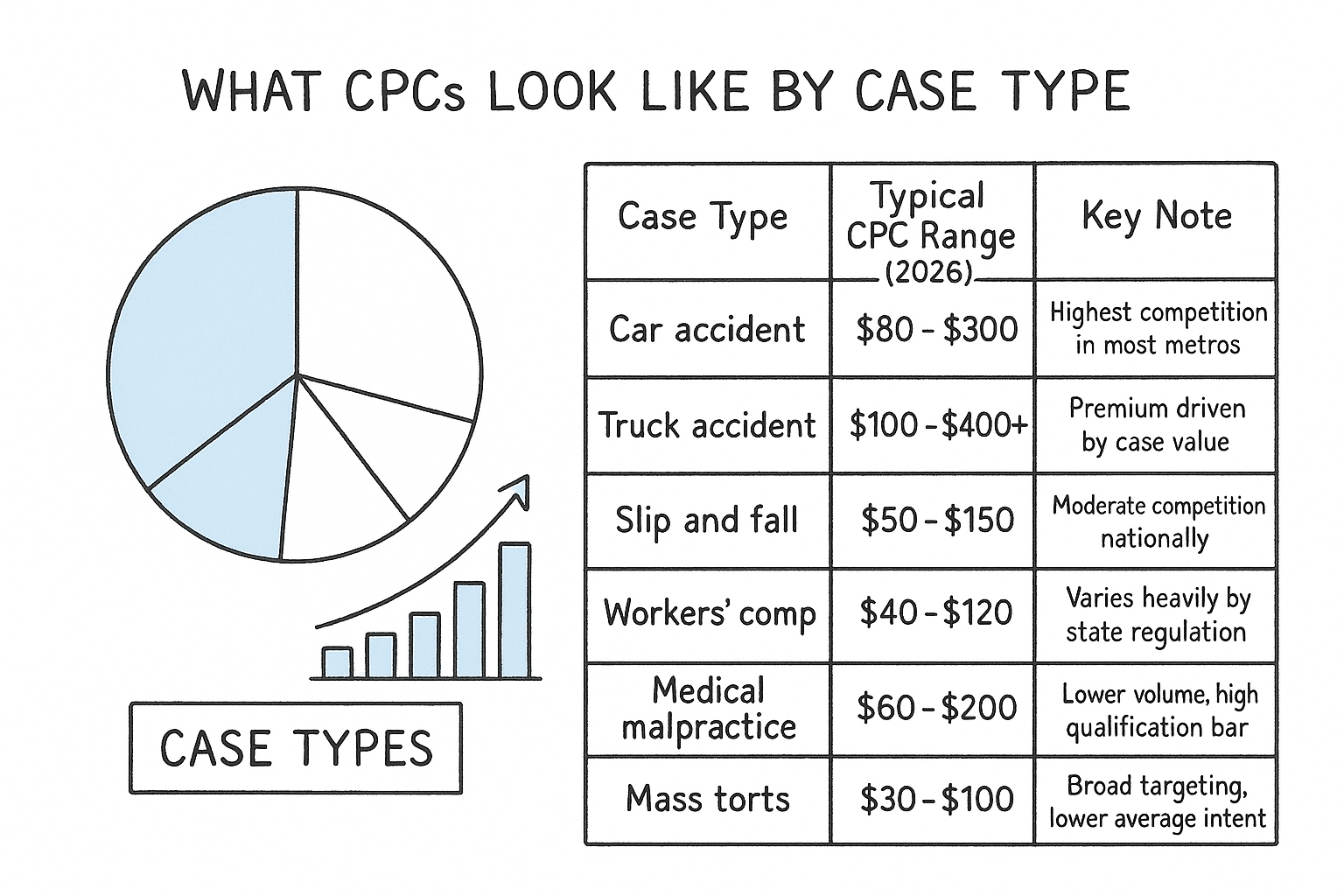
What CPCs Look Like by Case Type
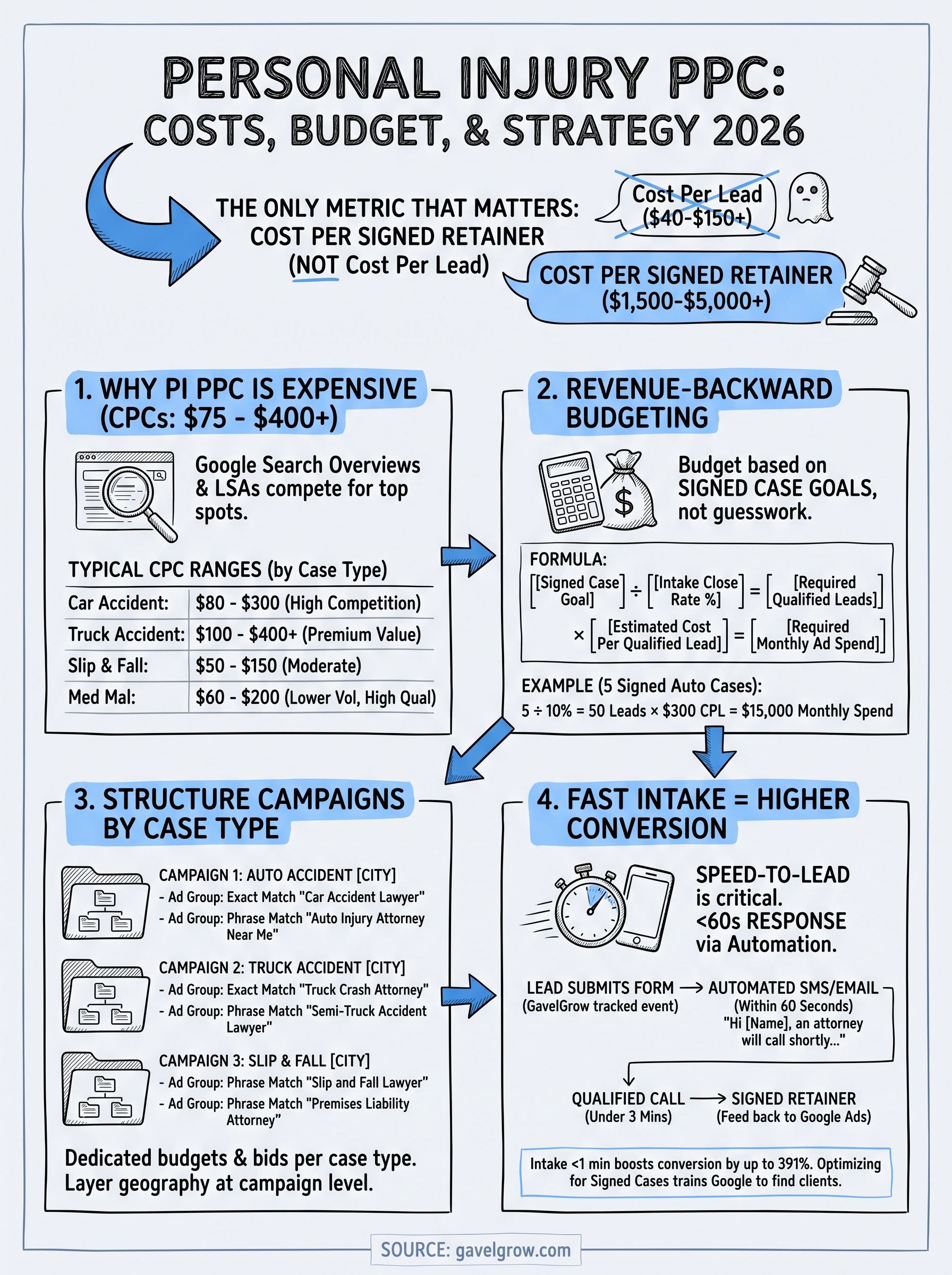
Not every PI query costs the same amount. Motor vehicle accidents and trucking cases carry the highest CPCs because case values are large and the search volume attracts dozens of competing bidders simultaneously. Medical malpractice queries often cost less per click because search volume is lower, but intake complexity and case qualification make them harder to convert efficiently. Use the table below as a starting benchmark when you set initial bids:
What Drives Your Actual Monthly Budget
Your monthly budget should start with a target number of signed cases, not an arbitrary dollar figure someone pulled from a competitor's spend. If you want five signed auto accident cases per month and your intake process converts 10% of qualified leads into signed retainers, you need roughly 50 qualified leads. At a cost per qualified lead of $250 to $600 in a competitive market, that puts your monthly ad spend between $12,500 and $30,000 before any agency or platform fees.
Two variables move that number significantly: landing page conversion rate and intake response speed. A page converting at 8% instead of 3% cuts your required click volume nearly in half, which directly reduces total spend. Firms using GavelGrow's mobile-first intake forms regularly report conversion rates above 6%, compared to the 2 to 3% industry average on generic contact forms.
Step 1. Set goals and track signed-case ROI in GavelGrow
Before you touch a single campaign setting, you need a signed-case target and a dollar value attached to it. Most PI firms launch personal injury PPC with a vague goal like "get more leads," which gives Google's algorithm nothing useful to optimize toward and gives you no way to judge whether your spend is working. Start with the number of signed retainers you need per month, assign an average case value to each practice area, and work backward to calculate the maximum allowable cost per signed case your firm can sustain while staying profitable.
Define Your Revenue-Backward Budget
Your budget calculation should follow a simple chain: signed-case goal, multiplied by the inverse of your intake close rate, gives you the qualified lead volume you need. Multiply that by your historical cost per qualified lead and you have a defensible monthly ad spend figure grounded in revenue, not guesswork. The formula below is a working template you can fill in with your own numbers:
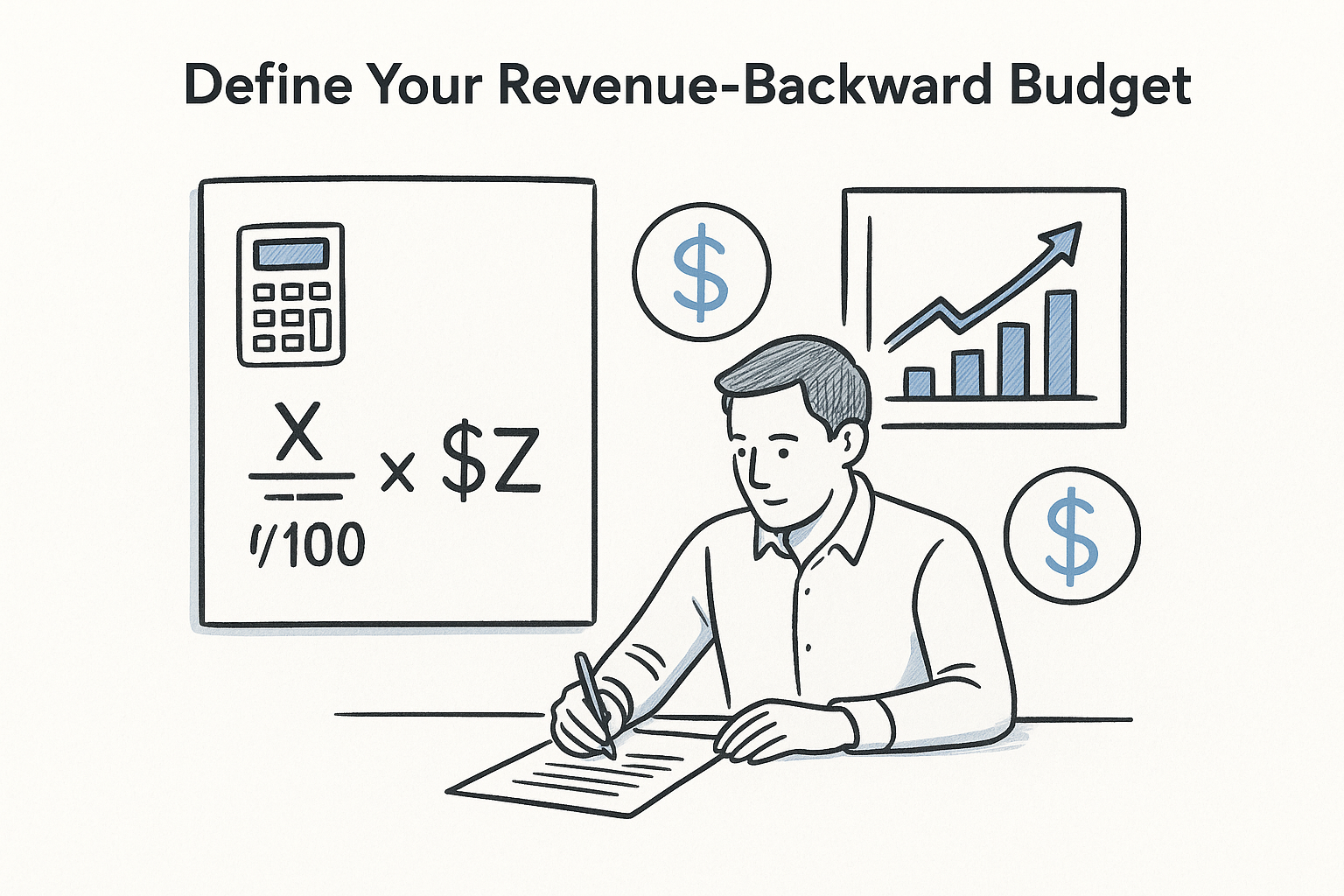
Monthly signed-case goal: [X cases]
Intake close rate: [Y%]
Required qualified leads: X / (Y / 100)
Cost per qualified lead (estimate): [$Z]
Required monthly ad spend: Required leads × $Z
Max allowable cost per signed case: Average case value × target profit margin
Run this calculation separately for each case type you advertise because a motor vehicle accident case and a workers' comp case carry different values, different close rates, and different CPCs.
Configure Conversion Tracking for Signed Cases
GavelGrow's platform fires a GA4 generate_lead event with a transaction ID and value field the moment a lead submits an intake form, and a separate signed-case event when your team marks a case as retained inside the case management module. That signed-case event feeds directly back into your Google Ads account via the platform's daily sync, which gives Smart Bidding a revenue signal instead of a form-fill signal.
Optimizing toward form fills trains Google to find people who fill out forms. Optimizing toward signed cases trains Google to find people who hire lawyers.
To activate this in GavelGrow, navigate to Settings > Conversion Events, select "Signed Retainer" as your primary conversion, and set the conversion value to your average case fee for each campaign. Secondary conversions like phone calls and form fills should remain tracked but marked as secondary actions only, so they inform reporting without distorting your bidding signal. This single configuration change is the most impactful step the average PI firm can take to improve PPC efficiency immediately.
Step 2. Build your keyword and negative keyword plan
Keyword selection in personal injury PPC is not about volume. It is about intent and case type alignment. A searcher typing "what is a personal injury lawsuit" wants information. A searcher typing "car accident attorney Phoenix free consultation" is ready to hire someone. Chasing the first group burns budget without producing clients, so your keyword plan should prioritize commercial and transactional intent at every turn.
Which Keywords Actually Convert in PI
Your core keyword list should organize around three tiers of intent. High-intent keywords trigger from someone actively seeking legal representation right now. Mid-intent keywords come from people who experienced an incident recently but haven't decided on legal action yet. Informational keywords rarely convert and belong in a separate content strategy, not in your paid campaigns.
Use the table below to build your initial targeting list:
Focus your budget on exact and phrase match for your highest-intent terms. Broad match can expand your reach once you have sufficient conversion data, but broad match without a strong negative keyword list will drain your budget within days on irrelevant queries.
Launching a PI campaign without negatives is like running your intake line 24/7 with no one screening callers. You pay for every ring, qualified or not.
Build Your Negative Keyword List Before You Spend a Dollar
Your negative keyword list should be ready before your campaigns go live, not assembled reactively after you see your search term report. Start with these categories and add the specific terms that apply to your firm:
- Job-related terms: "personal injury paralegal jobs", "attorney salary", "how to become a lawyer"
- DIY research terms: "personal injury claim without lawyer", "how to file a claim yourself", "small claims court"
- Competing case types you don't handle: "medical malpractice" or "workers comp" if those aren't practice areas you want
- Non-US and irrelevant geography: zip codes or city names outside your service area
- Legal information queries: "personal injury statute of limitations explained", "what does tort mean"
Add these as campaign-level negatives immediately and set a weekly calendar reminder to review your search term report every Monday. New irrelevant queries surface constantly, and catching them early protects your budget before they accumulate into wasted spend.
Step 3. Structure campaigns by case type and geography
A single catch-all campaign labeled "Personal Injury" is one of the most common and expensive mistakes PI firms make in Google Ads. When all case types share one budget, one bid strategy, and one ad group, your highest-CPC keywords cannibalize budget that should be going to your most profitable case types. Campaign structure determines how cleanly your data reads, and clean data is what lets you cut waste and double down on what works.
Separate Each Case Type Into Its Own Campaign
Build one dedicated campaign per major case type so you can assign independent budgets, bids, and conversion values to each. A motor vehicle accident campaign might justify $8,000 per month because average case fees run high. A slip and fall campaign might cap at $2,500 because local search volume and case values are lower. You cannot make that call when both case types share a single budget pool.
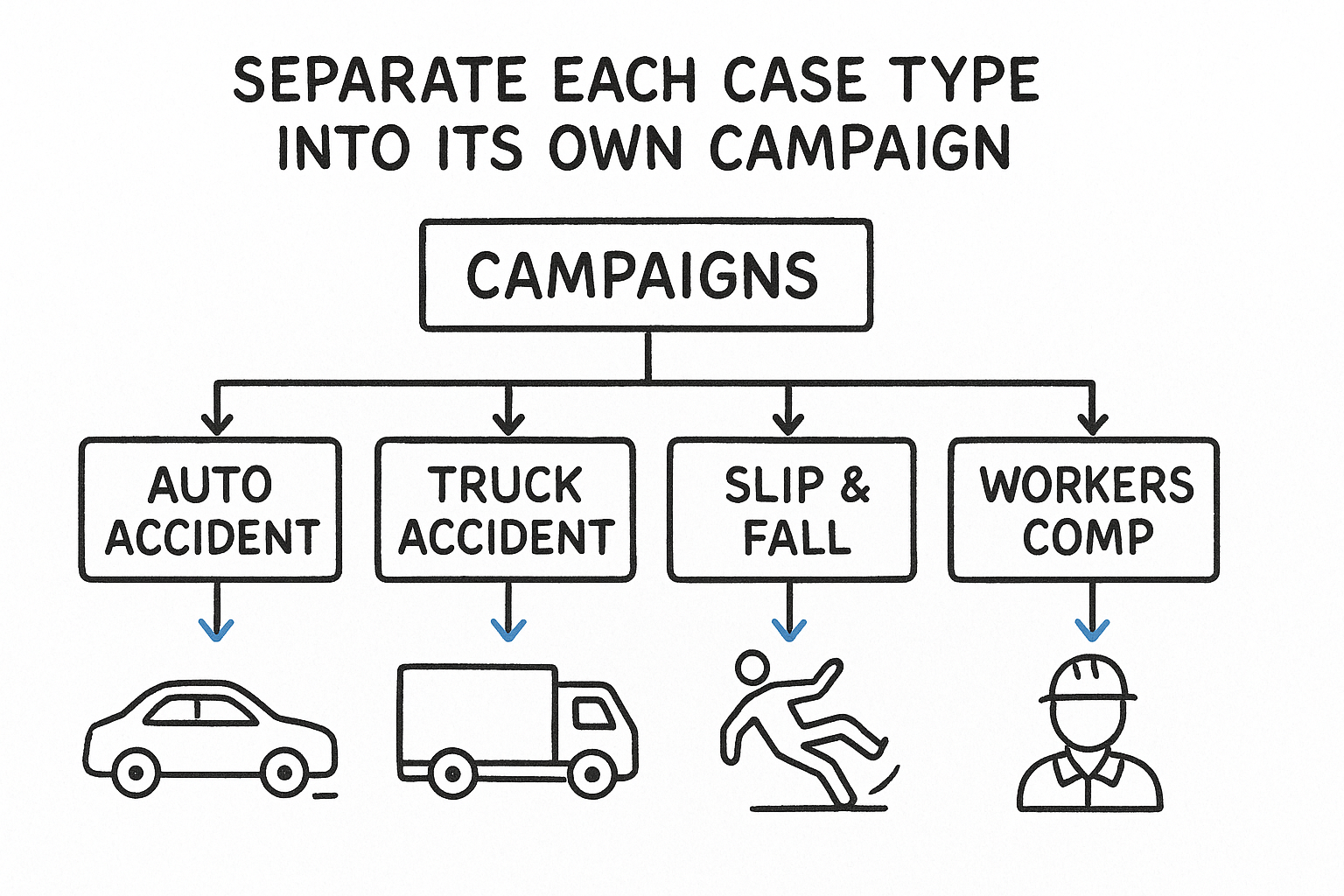
Mixing case types in one campaign forces your budget to average across wildly different economics. Separate campaigns let you fund each case type based on its actual ROI.
Use this naming convention to keep your account readable as it grows:
Inside each campaign, create separate ad groups for each keyword theme so your ad copy matches what the searcher typed as closely as possible.
Layer Geography at the Campaign Level, Not the Ad Group Level
Your geographic targeting settings belong at the campaign level, not buried inside ad groups where they are easy to miss during audits. For a firm serving a metro area, set your campaign to target your city plus a 25-mile radius and exclude surrounding cities where you are not licensed or simply do not want cases.
Personal injury PPC in metro markets benefits from bid adjustments by zip code, not just radius targeting. Pull your signed-case data from GavelGrow's attribution reports, identify which zip codes produced your highest-value retainers over the past 90 days, and apply a 15 to 25% bid increase on those locations. Zip codes that produced only low-value or unqualified leads should receive a bid reduction of 20 to 30%, which lets your budget concentrate where it converts rather than spreading evenly across geography that underperforms.
Step 4. Write compliant ads and choose the right formats
Ad copy is where personal injury PPC campaigns often break down, not because firms write bad ads, but because they write vague ones. Generic headlines like "Experienced PI Attorney" appear on nearly every competitor's ad, which means your copy blends in rather than standing out to someone who just experienced a car accident and is scanning the top of the search results page on their phone.
Write Headlines That Pass the Bar and Win the Click
Your headline structure should do two things simultaneously: trigger relevance for the searcher and comply with your state bar's advertising rules. Most state bars prohibit superlatives like "best" or "top-rated" unless the claim is independently verified. They also restrict promises about outcomes, so phrases like "we'll win your case" or "guaranteed settlement" typically violate advertising rules.
Compliant ad copy is not a creative limitation. It is a competitive advantage, because most of your competitors are probably running ads that a bar complaint could pull down.
Build each Responsive Search Ad with 15 headlines and 4 descriptions, and organize them into three functional categories: relevance headlines (matching the search query), credibility headlines (verified claims like "No Fee Unless We Win"), and action headlines (driving next steps like "Call for a Free Case Review"). Below is a working template you can adapt directly:
Pin your two strongest relevance headlines to positions 1 and 2 so Google always shows them, then let the platform rotate your credibility and action headlines to find the best-performing combinations.
Choose the Right Ad Formats for PI Campaigns
Responsive Search Ads are your primary format for every PI campaign. Pair each RSA with at least four active ad extensions: a call extension using a tracked GavelGrow number, a location extension linked to your Google Business Profile, sitelink extensions pointing to specific case-type landing pages, and a callout extension highlighting key proof points like "Available 24/7" or "No Upfront Costs." Each extension gives Google more real estate on the results page and raises your effective click-through rate without increasing your CPC.
Skip Performance Max campaigns until you have at least 30 signed-case conversion events in your account. Without that data volume, PMax targets broad audiences with insufficient signal, which wastes budget on unqualified traffic that will not become PI clients.
Step 5. Turn clicks into signed cases with fast intake
Your personal injury PPC campaign can have perfect keyword targeting, compliant ad copy, and a mobile-first landing page, and still bleed budget if your intake response is slow. The Lead Response Management Study found that leads contacted within five minutes were 21 times more likely to qualify than those first reached at 30 minutes. In PI, where prospects often call two or three firms before committing, whoever responds first usually wins the case.
Speed-to-lead is not a nice-to-have in personal injury; it is the single biggest conversion lever you can pull without changing your ad spend by a dollar.
Set Up a 60-Second Intake Trigger
The moment a prospect submits your intake form, an automated SMS and email sequence should fire before your intake team even sees the notification. Manual processes consistently add 5 to 30 minutes of delay, which is enough time for a competitor to answer, qualify, and schedule a consultation.
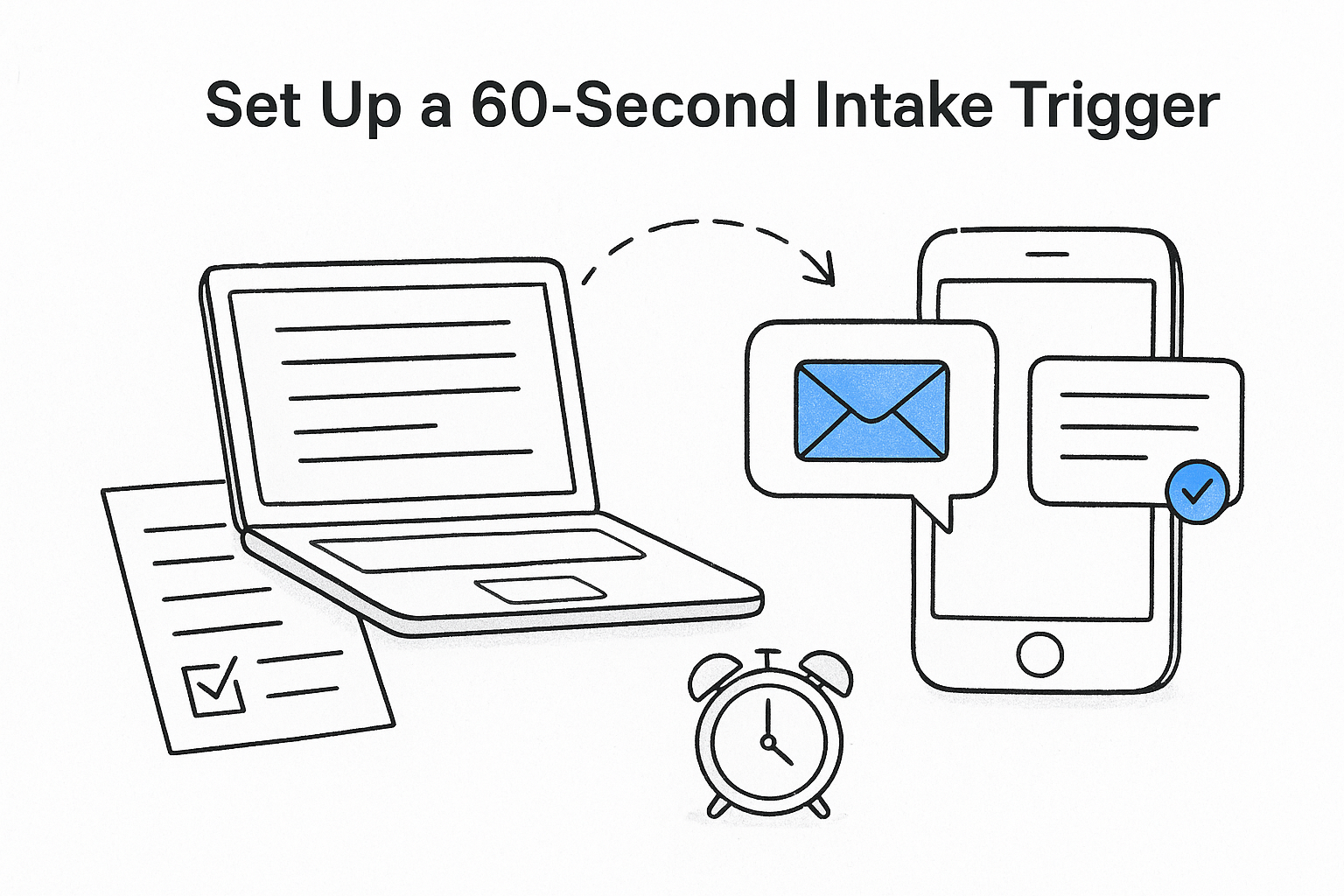
GavelGrow fires your first SMS within 60 seconds of form submission through TCPA-compliant automation. Below is the exact template your first SMS should follow:
Hi [First Name], this is [Firm Name]. We received your message about your
[case type] case and want to connect right away. An attorney will call you
at [Phone Number] in the next few minutes. Reply STOP to opt out.
Keep the message under 160 characters wherever possible to avoid carrier splitting. Do not include settlement language or outcome promises; those violate most state bar advertising rules even in SMS.
Qualify Fast, Not Just Fast to Respond
Responding quickly means nothing if your intake team spends 20 minutes on an unqualified caller. Build a short qualification script that covers four points in under three minutes: incident date, liability clarity, injury type, and insurance status. If those four boxes check, escalate immediately to a signing-eligible attorney or a senior intake specialist.
Your intake form itself should collect enough data before the call to pre-qualify the lead. Ask for incident type, date, whether another party was at fault, and current injury status. GavelGrow's multi-step intake forms let you gate later questions behind earlier answers, so a prospect who selects "property damage only, no injury" routes to a different response path than someone reporting ongoing medical treatment. That routing logic prevents your intake team from burning time on cases your firm will not take.
Track your intake answer rate, contact rate, and qualification rate separately inside GavelGrow's pipeline dashboard. If your answer rate drops below 80% during business hours, you have a staffing gap that no amount of ad spend will fix.
Frequently Asked Questions
Personal injury PPC generates a lot of specific questions from managing partners and marketing directors who want hard numbers, not generalities. The answers below address the most common decision points firms face when planning, launching, or auditing a PI paid search strategy.
What is a realistic monthly budget for a personal injury PPC campaign?
Your starting budget depends on your signed-case goal and local market competition, not on what a competitor spends. A firm targeting three to five auto accident retainers per month in a mid-size market like Nashville or Denver typically needs $8,000 to $20,000 in monthly ad spend. Larger metros like Los Angeles or Chicago push that range to $25,000 to $60,000. Build your budget backward from your case goal using your actual intake close rate, and revisit the number every 60 days as conversion data accumulates.
How long does it take for personal injury PPC to produce signed cases?
Most PI firms see their first signed case from PPC within 30 to 60 days of launch, assuming campaigns go live with correct conversion tracking and a functional intake process. Google's Smart Bidding algorithms need roughly 30 to 50 conversion events before they exit the learning phase and bid efficiently. During that window, expect higher costs and inconsistent lead quality. Patience in the first two months protects you from making reactive budget cuts that reset the learning cycle.
Cutting budget during the Smart Bidding learning phase restarts the clock and wastes the conversion data you already paid to collect.
Should your firm run Local Services Ads alongside traditional Google Search Ads?
Yes. Local Services Ads appear above standard search ads for many "lawyer near me" queries in 2026, which means running only traditional search ads leaves the top position to competitors who run both. LSAs bill on a per-lead basis rather than per click and carry Google's "Screened" badge, which increases trust with prospects. Budget your LSA spend separately from your search campaign budget, and use GavelGrow's call tracking to tag LSA leads distinctly so you can measure signed-case ROI from each channel independently.
What conversion event should you optimize toward in personal injury PPC?
Optimize your Google Ads bidding toward signed retainer events, not form fills or phone calls. Form fills include researchers, competitors, and unqualified prospects, so feeding that signal to Google's algorithm trains it to find the wrong audience. Platforms like GavelGrow sync signed-case data back to Google Ads daily, giving Smart Bidding a revenue-grade signal. Secondary actions like calls and form submissions should remain tracked but designated as secondary conversions only in your account settings.
How do you write personal injury ad copy that complies with state bar rules?
Start by downloading your state bar's current advertising guidelines before writing a single headline. Most states prohibit unverified superlatives like "best" or "top-rated" and restrict outcome promises. Safe headline structures include verified credibility claims such as "No Fee Unless You Recover," location-specific relevance like "[City] Car Accident Attorney," and action-oriented CTAs like "Free Case Review Available Today." Build an internal approval checklist requiring one compliance review before any ad goes live or gets updated.
Bring it all together
Personal injury PPC rewards firms that build systems, not firms that simply spend more. Every step in this guide connects to the same core principle: measure what actually matters, which is signed retainers, not clicks or form fills. You now have a revenue-backward budget formula, a keyword structure organized by case type and geography, compliant ad copy templates, and a 60-second intake trigger to stop losing cases to faster competitors.
The firms pulling consistent ROI from paid search in 2026 run campaigns where attribution flows cleanly from ad click to signed retainer and where intake automation removes the human delay that kills conversions. None of these steps require a massive budget increase. They require sharper tracking, tighter structure, and faster follow-up.
If you want to see exactly where your current setup leaks revenue, run your free law firm marketing scorecard and get a clear picture of what to fix first.
Frequently Asked Questions
What is a realistic monthly budget for a personal injury PPC campaign?
Your starting budget depends on your signed-case goal and local market competition , not on what a competitor spends. A firm targeting three to five auto accident retainers per month in a mid-size market like Nashville or Denver typically needs $8,000 to $20,000 in monthly ad spend. Larger metros like Los Angeles or Chicago push that range to $25,000 to $60,000. Build your budget backward from your case goal using your actual intake close rate, and revisit the number every 60 days as conversion data accumulates.
How long does it take for personal injury PPC to produce signed cases?
Most PI firms see their first signed case from PPC within 30 to 60 days of launch, assuming campaigns go live with correct conversion tracking and a functional intake process. Google's Smart Bidding algorithms need roughly 30 to 50 conversion events before they exit the learning phase and bid efficiently. During that window, expect higher costs and inconsistent lead quality. Patience in the first two months protects you from making reactive budget cuts that reset the learning cycle. Cutting budget during the Smart Bidding learning phase restarts the clock and wastes the conversion data you already paid to collect.
Should your firm run Local Services Ads alongside traditional Google Search Ads?
Yes. Local Services Ads appear above standard search ads for many "lawyer near me" queries in 2026, which means running only traditional search ads leaves the top position to competitors who run both. LSAs bill on a per-lead basis rather than per click and carry Google's "Screened" badge, which increases trust with prospects. Budget your LSA spend separately from your search campaign budget, and use GavelGrow's call tracking to tag LSA leads distinctly so you can measure signed-case ROI from each channel independently.
What conversion event should you optimize toward in personal injury PPC?
Optimize your Google Ads bidding toward signed retainer events , not form fills or phone calls. Form fills include researchers, competitors, and unqualified prospects, so feeding that signal to Google's algorithm trains it to find the wrong audience. Platforms like GavelGrow sync signed-case data back to Google Ads daily, giving Smart Bidding a revenue-grade signal. Secondary actions like calls and form submissions should remain tracked but designated as secondary conversions only in your account settings.
How do you write personal injury ad copy that complies with state bar rules?
Start by downloading your state bar's current advertising guidelines before writing a single headline. Most states prohibit unverified superlatives like "best" or "top-rated" and restrict outcome promises. Safe headline structures include verified credibility claims such as "No Fee Unless You Recover," location-specific relevance like "[City] Car Accident Attorney," and action-oriented CTAs like "Free Case Review Available Today." Build an internal approval checklist requiring one compliance review before any ad goes live or gets updated.