The Complete Guide to SEO for Lawyers
Categories: Legal Marketing Strategies
 Abram Ninoyan
Founder & Senior Performance Marketer
Credentials: Google Partner, Google Ads Search Certified, Google Ads Display Certified, Google Ads Measurement Certified, Google Analytics (IQ) Certified, HubSpot Inbound Certified, HubSpot Social Media Marketing Certified, Conversion Optimization Certified
Expertise: Google Ads, Meta Ads, Conversion Rate Optimization, GA4 & Google Tag Manager, Lead Generation, Marketing Funnel Optimization, PPC Management
LinkedIn Profile
SEO for lawyers means optimizing your firm's website and Google Business Profile so people searching "personal injury lawyer near me" or "immigration attorney [city]" find you befo...
Key Takeaways
- The Complete Guide to SEO for Lawyers
- Why does SEO matter for law firms today?
- How to build a law firm SEO strategy step by step
- What are the essential SEO tactics every firm needs?
The Complete Guide to SEO for Lawyers
SEO for lawyers means optimizing your firm's website and Google Business Profile so people searching "personal injury lawyer near me" or "immigration attorney [city]" find you before they find the firm down the street. It combines local search rankings, on-page content, and technical fixes that make Google trust your site enough to show it to someone ready to hire.
If you're trying to figure out where to start, the answer is simpler than most agencies make it sound: claim and optimize your Google Business Profile, build practice-area pages targeted at your city, earn reviews consistently, and fix the technical issues (slow load times, broken mobile forms) that push visitors back to the search results. Keyword research and on-page optimization matter, but only after your local signals are solid, since most legal searches carry local intent.
This guide walks through each piece in order: how legal SEO differs from other industries, which keywords actually convert into signed cases, how to structure your site, and how to track whether any of it is working past the click.
Why does SEO matter for law firms today?
Search is where legal clients start shopping, and paid ads alone can't cover the gap. A managing partner who only runs Google Ads is paying for every single click, forever, while a firm with strong organic and local rankings keeps showing up for free long after the campaign budget runs dry. That difference compounds over years, and it's why SEO for lawyers has shifted from a nice-to-have to a core budget line for firms serious about signed cases rather than just traffic.
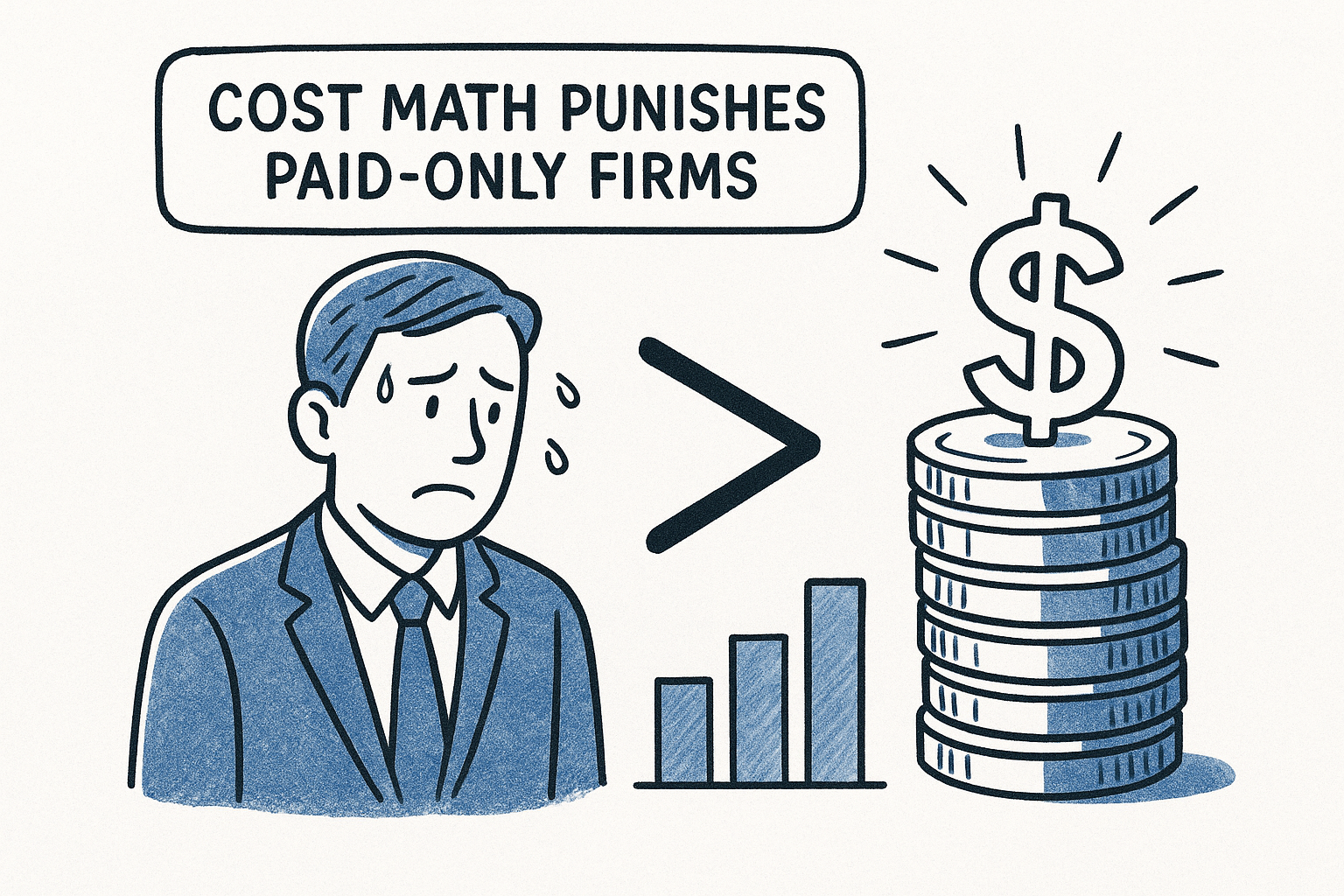
The cost math punishes paid-only firms
Personal injury and mass tort keywords routinely cost $50 to over $150 per click in competitive metros, and every click is just a visitor, not a client. Firms that rely entirely on Google Ads pay that rate indefinitely, while firms that also build organic rankings and a strong Google Business Profile capture a growing share of clicks for the cost of maintaining a website. You can see this tension directly in GavelGrow's full-funnel ROI dashboard, where firms track cost-per-signed-case across paid and organic channels side by side instead of guessing which one is actually converting.
A single organic ranking keeps paying for itself long after a paid campaign stops.
Search behavior has moved toward instant, local answers
Google's own research shows "near me" searches have grown dramatically over the past decade, and legal queries follow that pattern closely, according to Think with Google. Someone searching "DUI lawyer near me" at 11 p.m. isn't browsing, they're deciding, and Google increasingly answers that intent with the local map pack before a single organic result even loads. Firms without an optimized Google Business Profile lose that visibility entirely, no matter how good their website content is.
Google has also rolled out AI Overviews that summarize answers directly in search results, as detailed on Google's official blog. That shift makes structured, clearly written practice-area content more important, not less, because Google's systems still need to pull accurate, well-sourced information from somewhere, and firms with thin or generic pages get skipped in favor of sites that actually answer the question.
Google holds legal content to a higher trust bar
Because legal decisions affect someone's finances, freedom, or family, Google classifies attorney content under its "Your Money or Your Life" standards, meaning E-E-A-T (experience, expertise, authoritativeness, trustworthiness) carries more weight than it does for a recipe blog or a hobby site, per Google's own guidance on helpful content. Thin practice-area pages copied from a template, with no attorney bio, no case results, and no clear authorship, struggle to rank against firms that clearly show who wrote the content and why they're qualified to.
That trust bar rewards firms willing to publish real detail: actual settlement ranges where ethics rules allow, attorney credentials, and client reviews that Google can verify are genuine. Firms managing this through GavelGrow's reputation management tools build that trust signal automatically as reviews accumulate, rather than scrambling to collect them manually before a site audit.
The local pack decides who actually gets the call
Most searchers never scroll past the map pack and the first few organic results, so ranking on page two is functionally invisible. Competition for the top three local spots is fierce in every major practice area, especially personal injury and family law, where dozens of firms in a single metro chase the same handful of keywords. Winning that space takes consistent review generation, accurate NAP (name, address, phone) data across directories, and citations that Google can cross-reference, not a one-time optimization pass.
Falling out of the local pack means losing the calls that convert fastest, since local searchers tend to be closer to hiring than someone reading a generic legal blog post. That's the real reason SEO matters now: it's not about traffic volume, it's about being visible at the exact moment someone in your service area decides to pick up the phone.
How to build a law firm SEO strategy step by step
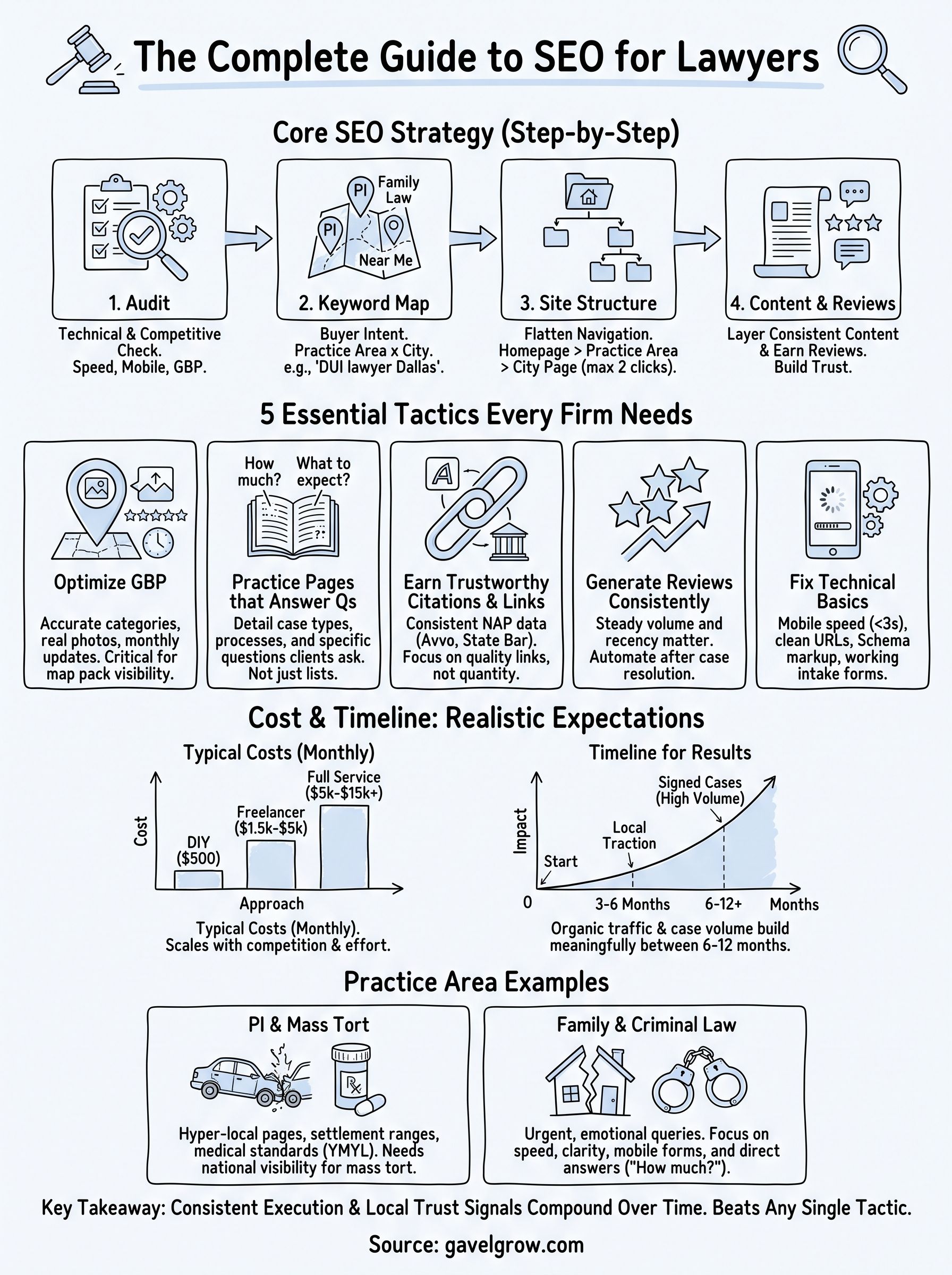
Most firms fail at legal SEO not from lack of effort but from working the steps out of order, chasing blog content before fixing a broken mobile intake form or claiming a Google Business Profile that's still listed under the old office address. A working SEO strategy follows a sequence: audit first, map keywords to practice areas and cities, fix site structure, then layer content and links on top. Skip a step and you end up ranking for terms that never turn into signed cases.
Start with a technical and competitive audit
Before writing a single page, pull your current rankings, page speed scores, and mobile usability report, then check what the top three firms in your market are doing that you aren't. Site speed and mobile experience matter more in legal than most industries because a slow intake form on a phone loses the exact client who was ready to submit their information. A basic audit checklist looks like this:
- Google Business Profile: correct category, hours, service areas, and photos
- Core Web Vitals score for mobile (use Google's own PageSpeed Insights)
- Broken links, duplicate title tags, and missing meta descriptions
- Competitor practice-area pages ranking above yours for your top three keywords
- Existing backlink profile and citation consistency across directories
Build your keyword map around practice areas and cities
Once the audit is done, map every practice area you handle against every city or region you serve, since "car accident lawyer Dallas" and "car accident lawyer Fort Worth" are different pages, not one page trying to rank for both. Keyword research for law firms should prioritize buyer intent over volume; a term like "how much is my slip and fall case worth" converts worse than "personal injury lawyer near me," but both deserve a page because they capture different stages of the decision. Firms comparing performance across practice areas often lean on benchmark data, like the kind found in GavelGrow's modelled practice-area benchmarks, to see which keyword categories are actually converting for peers in similar markets before committing content budget.
A keyword map organized by practice area and city beats a generic blog calendar every time.
Structure your site so Google and clients can navigate it
Google needs a clean path from your homepage to each practice-area page to each city page, and so does a scared, rushed visitor trying to find your phone number. Site architecture that buries practice pages three clicks deep loses both rankings and conversions; flatten the structure so every important page sits within two clicks of the homepage.
Layer in content, links, and reviews on a consistent cadence
With the map and structure in place, publish consistently rather than in bursts, since Google rewards steady authority-building over a six-month content sprint followed by silence. Review generation and local citations should run in parallel with content publishing, not after it, because a firm with fifty verified reviews and thin content still often outranks one with great content and no reviews.
What are the essential SEO tactics every firm needs?
Every law firm, regardless of practice area or budget, needs the same five tactics working together. Skip one and the others underperform, since Google evaluates your site as a whole rather than rewarding isolated wins.
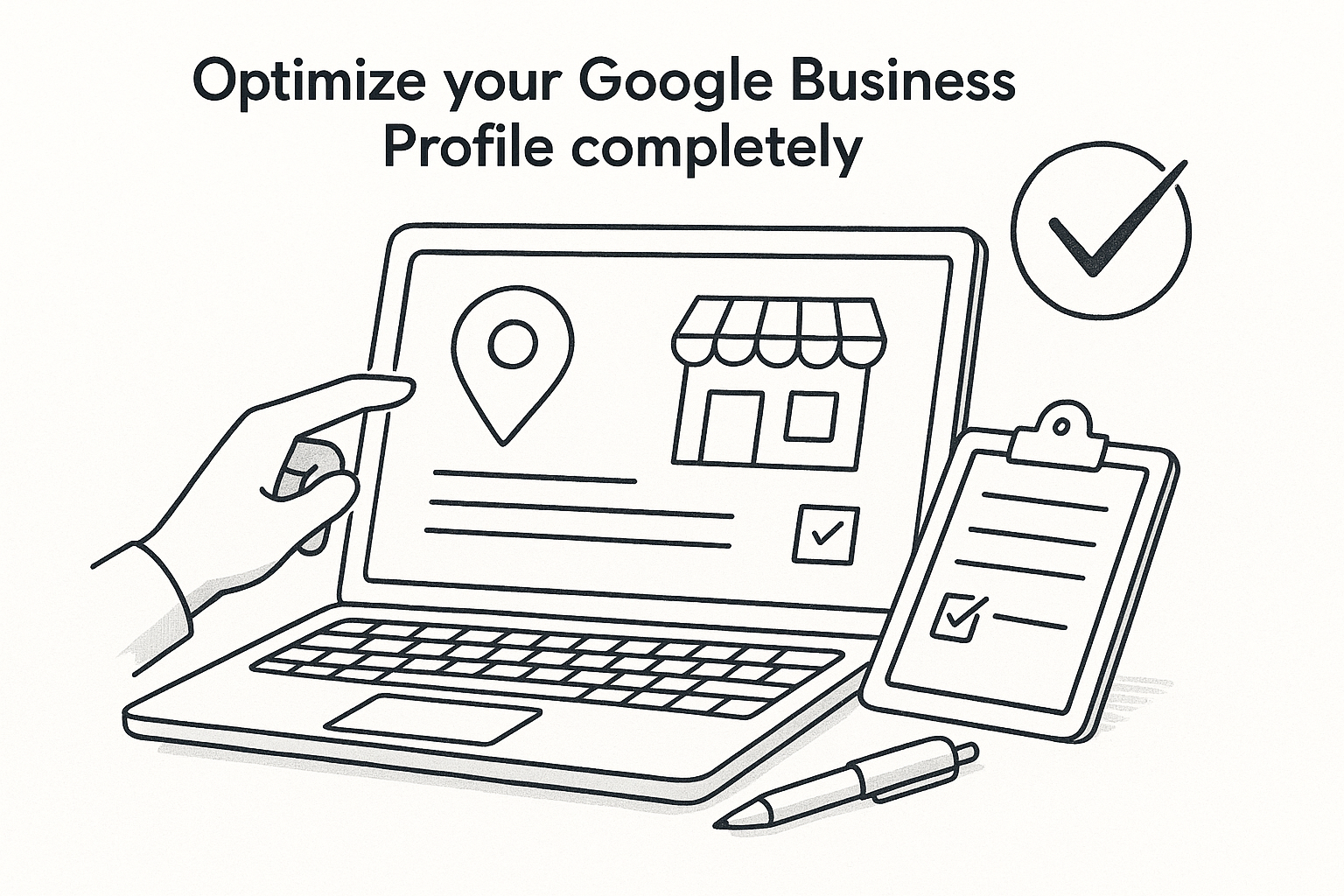
Optimize your Google Business Profile completely
Google Business Profile is the single highest-leverage asset in local legal SEO, and most firms leave it half-finished. Fill in every service area, select the most specific category available (not just "Attorney"), upload real office photos, and post updates monthly so Google sees an active profile. Google Business Profile accuracy directly affects whether you show up in the map pack for "[practice area] near me" searches, and inconsistent hours or a wrong address quietly kills rankings that content alone can't fix.
Build practice-area and city pages that actually answer the question
A generic "Practice Areas" page listing ten services in bullet points won't rank against a dedicated page for "truck accident lawyer Houston" that covers case types, settlement process, and what to expect in the first consultation. On-page optimization means matching page depth to search intent, using the exact phrase clients type, and answering the follow-up questions they'd ask a receptionist. Firms structuring these pages by market can compare results using GavelGrow's practice-area portfolio examples to see what depth actually converts in similar cities.
Earn citations and backlinks from sources Google trusts
Citations across legal directories like Avvo, FindLaw, and your state bar association confirm your NAP data is consistent, which matters more for law firms than almost any other industry given Google's YMYL standards. Links from local news coverage, bar association pages, and community sponsorships carry far more weight than paid directory placements that every competitor also buys. Building this profile takes months, not weeks, and rushing it with low-quality link networks risks a penalty that erases years of progress.
Consistency across directories matters more in legal SEO than in almost any other industry.
Generate reviews on a steady, defensible schedule
Review volume and recency both factor into local rankings, and a firm with five reviews from two years ago loses to one with fifty spread evenly over the last twelve months. Review generation works best as an automated step in your intake process, triggered right after a case resolves rather than as a quarterly scramble. GavelGrow's built-in reputation tools fire review requests automatically once a case status changes, so the ask happens at the moment satisfaction peaks instead of months later when the client has moved on.
Fix the technical basics that quietly cost rankings
A fast, mobile-friendly site with clean URLs and proper schema markup won't win rankings alone, but its absence caps everything else. Checklist for a technical baseline:
- Mobile page speed under 3 seconds (test via Google PageSpeed Insights)
- LegalService schema markup on every practice-area page
- HTTPS site-wide with no mixed-content warnings
- Clean, descriptive URLs (no query strings or numeric IDs)
- Working, mobile-tested intake forms on every landing page
How much does law firm SEO cost and how long does it take?
Budget expectations set the tone for whether an SEO investment feels like a win or a waste, and most managing partners underestimate both the price and the patience required. Law firm SEO typically runs from a few hundred dollars a month for a solo practitioner handling it themselves to $10,000 or more monthly for a fully managed campaign in a competitive metro, and the gap between those numbers reflects how much competitive research, content, and technical work actually goes into ranking for terms like "personal injury lawyer" versus a lower-volume niche like "estate planning attorney" in a mid-size city.
What does a realistic SEO budget look like?
Cost scales with competition, not effort alone. A criminal defense firm in a smaller market might see real movement for $1,500 a month, while a mass tort firm chasing national visibility can spend $15,000 a month and still be fighting for page one. Here's a rough breakdown of what firms typically spend by approach:
Firms weighing that last option often start with a 7-day trial of the GavelGrow platform to see whether managing SEO and intake in-house is realistic before committing to a $10,000-a-month agency retainer.
How long before rankings turn into signed cases?
Timelines disappoint people who expect SEO to behave like a paid ad. Google needs time to crawl, index, and trust new content, and competitors have often had years of head start on the same keywords. Most firms see measurable movement in local rankings within 3 to 6 months, with organic traffic and case volume building meaningfully between months 6 and 12, according to patterns Google itself describes in its guidance on how long it takes new content to affect rankings, via Google Search Central.
Expect real traction in 3 to 6 months, not 3 to 6 weeks.
Generic practice areas in low-competition markets can move faster, sometimes showing local pack improvement within 60 to 90 days once the Google Business Profile is fully optimized. Highly competitive practice areas like personal injury or mass tort in major metros routinely take 9 to 12 months before the investment shows up as signed cases rather than just improved keyword positions.
Why competitive practice areas take longer
Every month of delay in a crowded practice area usually traces back to link-building pace, since Google weighs domain authority heavily for YMYL topics like legal services. Firms that pair organic work with managed paid campaigns close that gap faster, generating signed cases from ads while the organic foundation matures, which is the exact model behind GavelGrow's managed services.
What do strong SEO examples look like by practice area?
Generic SEO advice breaks down fast once you compare practice areas side by side, because a mass tort firm competing nationally faces a completely different keyword landscape than a solo estate planning attorney serving one county. Practice-area SEO has to match the actual buyer journey in that niche, not a template borrowed from a different vertical. Below are patterns that consistently work, drawn from how firms in each category actually rank and convert.
Personal injury and mass tort
Personal injury firms win by combining hyper-local pages ("car accident lawyer [suburb]") with deep case-type content covering settlement ranges, statute of limitations by state, and what insurance adjusters actually do during a claim. Mass tort firms operate differently, since they're often chasing national visibility for a drug or product name rather than a city, which means the content has to satisfy medical accuracy standards Google expects under YMYL rules. Firms in both categories lean heavily on GavelGrow's full-funnel attribution to see which specific pages actually produce signed retainers, not just form fills, since mass tort traffic in particular attracts a high volume of unqualified leads.

Family law and criminal defense
Family law searches skew emotional and urgent, so pages that answer "how much does a divorce cost in [state]" or "can I move out of state with my kids" outperform generic "Family Law Services" pages every time. Criminal defense follows a similar pattern but compresses the timeline further, since someone searching "DUI lawyer near me" at midnight needs a phone number and a clear next step, not a 2,000-word blog post. Local intent dominates both categories, which is why the map pack and a fast-loading mobile intake form matter more here than in almost any other practice area.
Family law and criminal defense searches reward speed and clarity over content length.
Immigration, estate planning, and business law
Immigration content needs to address visa type, country of origin, and process timelines with real specificity, since a page that just says "we handle immigration cases" can't compete against firms breaking out H-1B, green card, and asylum content separately. Estate planning and business law both convert on trust signals more than urgency, since clients researching wills or LLC formation are comparing firms over weeks, not hours, which makes attorney bios, case results, and detailed FAQ sections carry more weight than aggressive local pack tactics alone.
What separates strong pages from weak ones across every practice area
Across every vertical, the pattern holds: pages that answer the specific question a client would ask a receptionist outrank pages that just describe a service in broad terms. A quick comparison:
Firms comparing their own pages against these patterns can use GavelGrow's practice-area playbooks as a reference for how strong pages are structured.
What comes next for your firm's SEO
SEO for lawyers rewards firms that work the fundamentals in order: a clean Google Business Profile, practice-area pages built around real client questions, steady reviews, and a technical foundation that doesn't quietly cap everything else. None of that requires guesswork once you know the sequence, and none of it pays off overnight. Consistent execution beats any single tactic, and local trust signals compound faster than most firms expect once the basics are actually in place.
Where you go from here depends on bandwidth. Firms with staff and time can run this playbook in-house using a platform built for it. Firms without that bandwidth, or competing in a metro where every point matters, usually get there faster with a team that's already done it hundreds of times. Either way, book a free strategy call and we'll tell you honestly which path fits your firm.
Frequently Asked Questions
What is SEO for lawyers?
SEO for lawyers is the practice of optimizing your website, Google Business Profile, and content so your firm ranks for the searches potential clients use — like "[practice area] lawyer near me." It combines technical site health, local SEO, practice-area content, and link and review authority to turn organic search into a steady, lower-cost source of signed cases.
How much does SEO cost for a law firm?
It varies widely by market competitiveness, practice area, and scope — a solo firm in a smaller market pays far less than a personal injury firm competing in a major metro. Rather than a flat monthly figure, judge it by return: track cost per signed case so you can compare SEO against paid ads and referrals on equal footing, not by traffic alone.
How long does SEO take to work for a law firm?
Most firms see early movement within 90 days and meaningful case flow in six to twelve months, depending on how competitive their practice area and market are. Crowded fields like personal injury in major metros take longer than niche or suburban practices. SEO compounds — the longer it runs, the lower your cost per case tends to fall.
Is SEO worth it for lawyers?
For most firms, yes — it builds a durable channel instead of renting visibility through ads that stop the moment you stop paying, and legal keywords are among the most expensive to buy. The caveat: SEO only pays off when it is tied to signed cases. A provider that reports rankings and traffic but cannot connect that work to retained clients is hard to justify.
What is local SEO for law firms?
Local SEO focuses on ranking in the Google map pack and for "near me" searches — driven heavily by your Google Business Profile, reviews, local citations, and location-relevant content. For most law firms it is the highest-value part of SEO, because the local pack often decides who actually gets the call from a nearby, ready-to-hire searcher.
Can a law firm do SEO itself or should it hire an agency?
Small firms with a marketing-minded partner can start in-house on the basics — Google Business Profile, reviews, and a few practice-area pages. But technical SEO, competitive content, and link building take specialized time and skill, so firms that want faster results or lack the bandwidth usually get more from an agency — ideally one that reports on signed cases, not just rankings.
How do you measure the ROI of law firm SEO?
Track past vanity metrics like traffic and keyword counts to the numbers tied to revenue: rankings for buyer-intent keywords, qualified leads from organic search, and cost per signed case. Full-funnel attribution that connects a search through intake to a retained client is the only way to prove SEO is actually funding the firm.
Frequently Asked Questions
What is SEO for lawyers?
SEO for lawyers is the practice of optimizing your website, Google Business Profile, and content so your firm ranks for the searches potential clients use — like "[practice area] lawyer near me." It combines technical site health, local SEO, practice-area content, and link and review authority to turn organic search into a steady, lower-cost source of signed cases.
How much does SEO cost for a law firm?
It varies widely by market competitiveness, practice area, and scope — a solo firm in a smaller market pays far less than a personal injury firm competing in a major metro. Rather than a flat monthly figure, judge it by return: track cost per signed case so you can compare SEO against paid ads and referrals on equal footing, not by traffic alone.
How long does SEO take to work for a law firm?
Most firms see early movement within 90 days and meaningful case flow in six to twelve months, depending on how competitive their practice area and market are. Crowded fields like personal injury in major metros take longer than niche or suburban practices. SEO compounds — the longer it runs, the lower your cost per case tends to fall.
Is SEO worth it for lawyers?
For most firms, yes — it builds a durable channel instead of renting visibility through ads that stop the moment you stop paying, and legal keywords are among the most expensive to buy. The caveat: SEO only pays off when it is tied to signed cases. A provider that reports rankings and traffic but cannot connect that work to retained clients is hard to justify.
What is local SEO for law firms?
Local SEO focuses on ranking in the Google map pack and for "near me" searches — driven heavily by your Google Business Profile, reviews, local citations, and location-relevant content. For most law firms it is the highest-value part of SEO, because the local pack often decides who actually gets the call from a nearby, ready-to-hire searcher.
Can a law firm do SEO itself or should it hire an agency?
Small firms with a marketing-minded partner can start in-house on the basics — Google Business Profile, reviews, and a few practice-area pages. But technical SEO, competitive content, and link building take specialized time and skill, so firms that want faster results or lack the bandwidth usually get more from an agency — ideally one that reports on signed cases, not just rankings.
How do you measure the ROI of law firm SEO?
Track past vanity metrics like traffic and keyword counts to the numbers tied to revenue: rankings for buyer-intent keywords, qualified leads from organic search, and cost per signed case. Full-funnel attribution that connects a search through intake to a retained client is the only way to prove SEO is actually funding the firm.