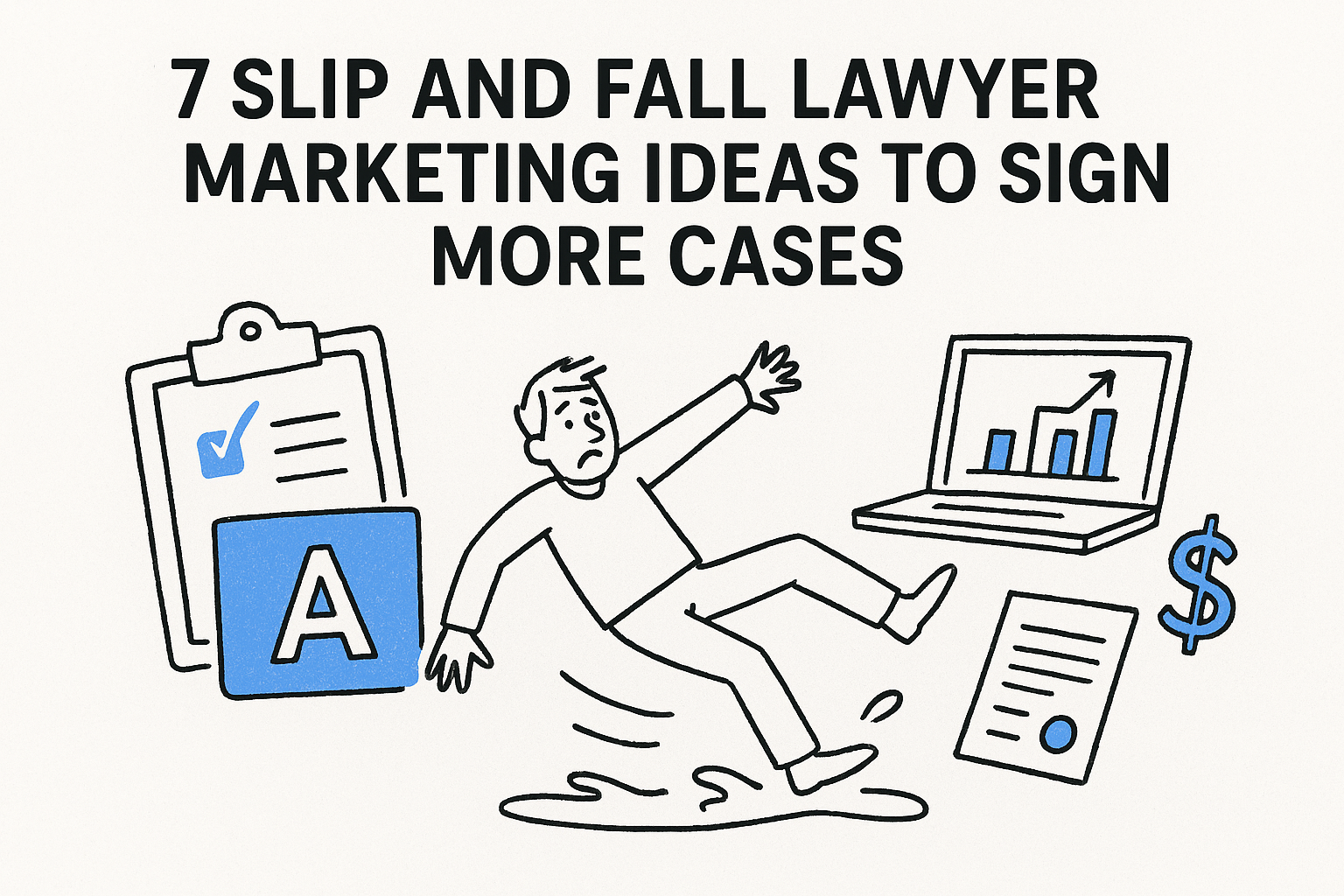
7 Slip and Fall Lawyer Marketing Ideas to Sign More Cases
Categories: Legal Marketing Strategies
 Abram Ninoyan
Founder & Senior Performance Marketer
Credentials: Google Partner, Google Ads Search Certified, Google Ads Display Certified, Google Ads Measurement Certified, Google Analytics (IQ) Certified, HubSpot Inbound Certified, HubSpot Social Media Marketing Certified, Conversion Optimization Certified
Expertise: Google Ads, Meta Ads, Conversion Rate Optimization, GA4 & Google Tag Manager, Lead Generation, Marketing Funnel Optimization, PPC Management
LinkedIn Profile
The most reliable slip and fall lawyer marketing combines local search visibility, scenario-specific web pages, intent-based paid ads, honest reviews, referral relationships, and fast intake, all judg...
Key Takeaways
- 7 Slip and Fall Lawyer Marketing Ideas to Sign More Cases
- 1. Start with local SEO and your Google Business Profile
- 2. Which premises pages should your site publish?
- 3. How should you run Google Ads for slip and fall cases?
7 Slip and Fall Lawyer Marketing Ideas to Sign More Cases
The most reliable slip and fall lawyer marketing combines local search visibility, scenario-specific web pages, intent-based paid ads, honest reviews, referral relationships, and fast intake, all judged by cost per signed case. Start with the tactics you control cheaply, then add ad spend once you know what a signed case costs you.
A good pick fits your case mix, your budget, and your team's capacity to answer the phone. Solo and small firms usually get the most from local SEO, reviews, and referrals, which cost time more than money. Firms with an ad budget should add Google Ads and Local Services Ads. Any firm that loses callers to voicemail should fix intake before anything else.
Slip and fall cases are hard to market. The person searching is hurt, anxious, and often calling several firms in the same hour. Liability depends on facts a website visitor cannot judge. Leads are easy to buy and hard to turn into retainers. This guide covers seven tactics, with what to do first and what to avoid. GavelGrow has marketed only for law firms since 2015, and the measurement advice here reflects that legal-only focus.
1. Start with local SEO and your Google Business Profile
How it works
Local SEO decides which firms appear in the map results and organic listings when someone searches for a slip and fall lawyer near them. Google weighs your Google Business Profile, how consistently your name, address and phone number appear across directories, your reviews, and how relevant your site's pages are to the search. The searcher is often on a phone and choosing from the first few names they see, so map pack visibility matters more than a good organic rank on page two.
What to do first
- Claim and verify your profile, and choose personal injury attorney as the primary category.
- List only real, staffed office locations, one profile per office.
- Add the services you take, such as slip and fall and premises liability.
- Build a location page on your site for each office, with the same name, address and phone number as the profile.
- Upload real photos of your office and team.
What to watch for
Fake addresses, virtual offices and keyword-stuffed business names are the fastest way to get a profile suspended. Slow results are the other trap. Local rankings move over months, not weeks, so pair this tactic with paid search if you need cases sooner.
Local visibility decides which firm gets the first call from someone who just fell.
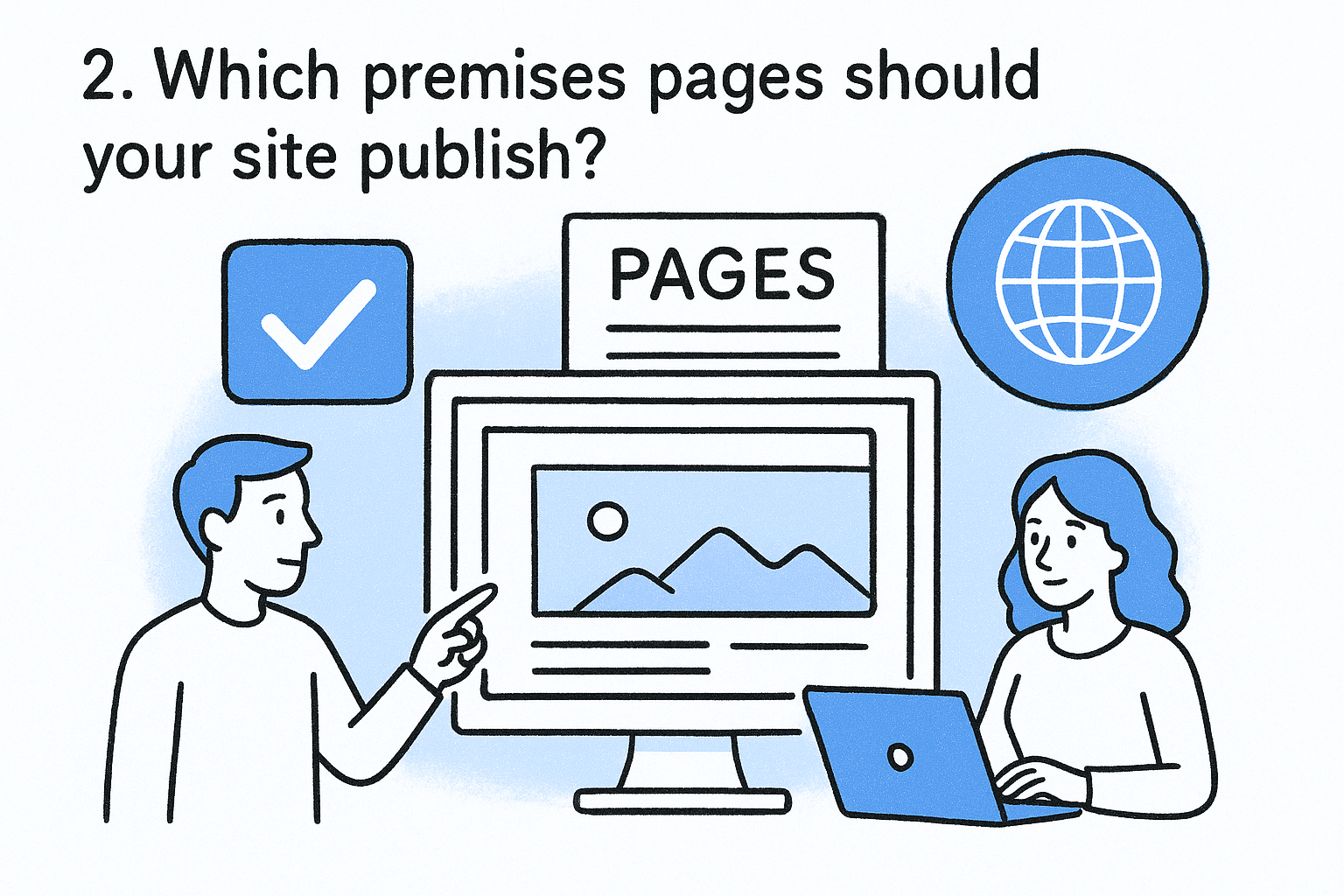
2. Which premises pages should your site publish?
How it works
Publish one page per fall scenario. A person searching "fell on ice at my apartment complex" wants a page about that, not a generic practice-area overview. Strong scenarios include store and grocery falls, icy sidewalks and parking lots, apartment and rental common areas, restaurants and hotels, stairs and handrails, and pool decks. These pages target narrower searches than "slip and fall lawyer", which are cheaper to win and closer to a hiring decision.
What to do first
Build every page from the same checklist:
- A plain-language explanation of how liability works for that scenario, which usually turns on whether the owner knew or should have known about the hazard.
- What to do right after a fall: get medical care, report the incident, photograph the scene, collect witness names.
- A note on your state's filing deadlines, reviewed by an attorney licensed there.
- A short FAQ that explains the free consultation and how a contingency fee works.
- A click-to-call button and a short mobile-friendly form.
What to watch for
Do not paste in generic national text. Premises law varies by state, so broad legal statements can be wrong for your readers, and an attorney should review every page. Avoid promising results or quoting settlement amounts, which many state bars restrict. Publish seasonal pages early, such as ice content before the first freeze, so they have time to rank before the claims arrive.
One page per fall scenario beats one page that tries to cover every fall.
3. How should you run Google Ads for slip and fall cases?
How it works
Run two paid channels side by side. Google Ads search campaigns charge per click and let you choose the exact searches you bid on. Local Services Ads charge per lead, sit above the standard results, and carry Google's screened badge for lawyers. People who search "slip and fall lawyer free consultation" are ready to call, which is why paid search works for this case type when the follow-up is solid.
What to do first
- Split campaigns by scenario, such as store falls and icy property, so each ad matches the search.
- Geotarget the counties where you want cases instead of running statewide.
- Send each campaign to its own scenario page from item 2, never to your homepage.
- Add negative keywords like jobs, salary and pro bono to block irrelevant clicks.
- Complete Google's screening and verification before you expect Local Services Ads to run.
What to watch for
Personal injury clicks are among the most expensive in legal advertising, and the price varies by market, so a weak landing page or slow callback burns budget quickly. Review every Local Services Ads lead and dispute the ones that do not meet Google's criteria. Check your state bar's advertising rules before you publish any claim about results. If you would rather hand this off, GavelGrow runs managed Google Ads for law firms.
Paid search only pays when the click lands on a page and a phone that are ready.
4. Ask every client for a review
How it works
Many prospects compare the ratings of two or three firms before they call, and reviews also feed your local rankings. The way to earn them is volume and recency. A steady flow of recent, specific reviews tells a worried reader that people like them were treated well, and it gives your profile fresh activity.
What to do first
- Make the review request a standard step at a natural milestone, such as a resolved claim or a positive client call.
- Send a direct link to your Google Business Profile so leaving a review takes one tap.
- Ask every client, not a hand-picked group.
- Respond to every review promptly and professionally.
- Keep replies free of case details, since you cannot confirm a client relationship or discuss a matter in public.
What to watch for
Google's policies prohibit offering incentives for reviews and sending unhappy clients to a private form before they can post publicly. Do neither. When a client is upset, resolve it with the client directly, then still reply to the public review calmly. Some states also restrict how testimonials appear in attorney advertising, so check your state bar's rules before featuring reviews on your site.
Ask every client, fix complaints directly, and answer every review in public.
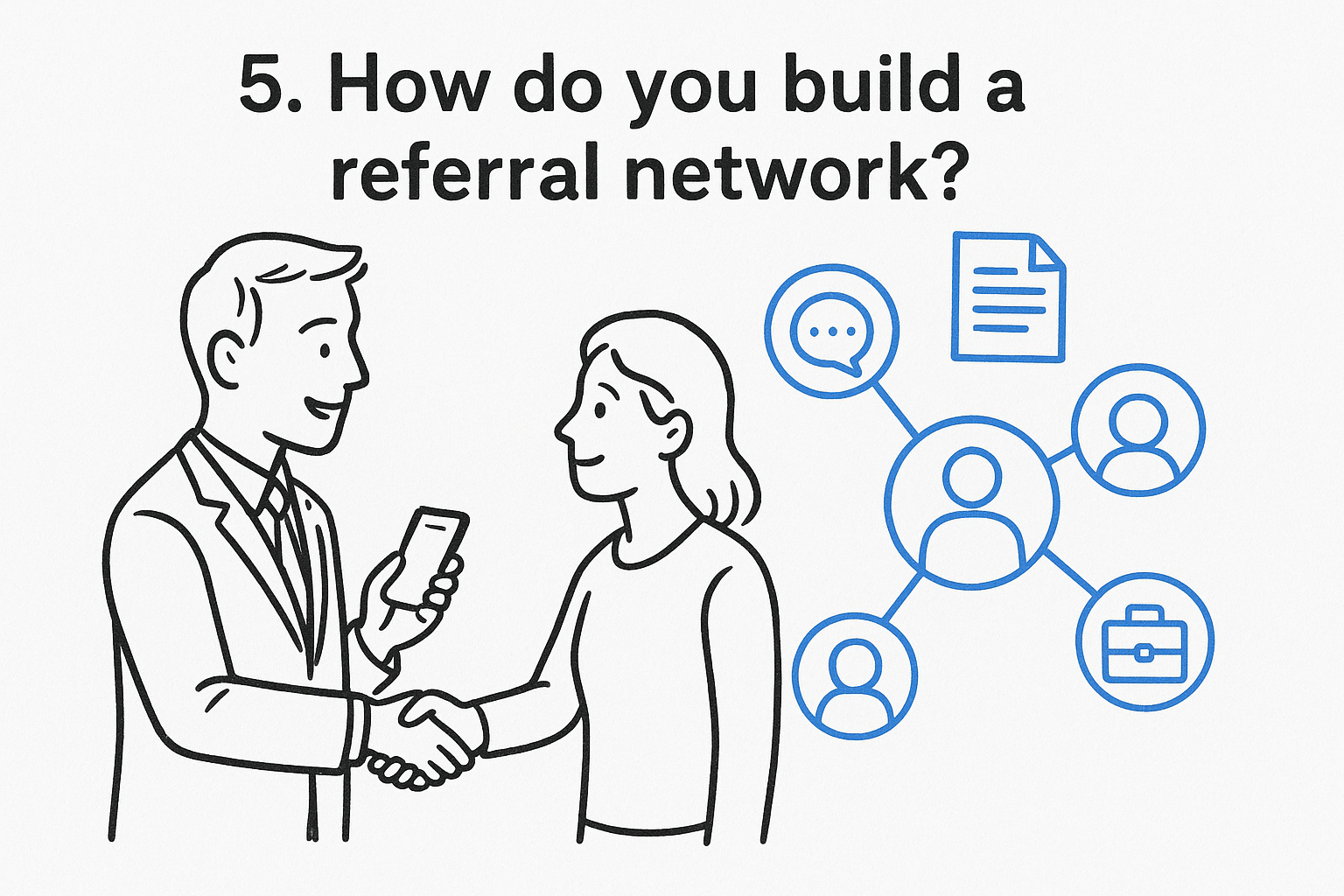
5. How do you build a referral network?
How it works
Slip and fall referrals come from people who meet injured people or hold their trust. Past clients are the first source, followed by lawyers who do not handle premises cases. Each refers for a different reason, and each needs something different from you.
What to do first
Pick five relationships and contact one each week. Take a former client to coffee, call a family law colleague, or drop off a one-page guide for a clinic's front desk. Ask intake to record the referral source on every new lead, so you can see which relationships produce signed cases.
What to watch for
Never pay or give anything of value for a referral. Referral fees and fee sharing between lawyers are governed by your state's rules, so confirm them before you agree to anything. Health professionals have their own ethics rules, so never steer patients. Say thank you with a note, not money.
Referrals grow when you give sources a reason and an easy way to send you cases.
6. Fix intake before you buy more leads
How it works
Intake is where marketing spend turns into retainers or disappears. The Lead Response Management Study found that leads contacted within five minutes are far more likely to be qualified than those first reached at thirty minutes. It measures the odds of qualifying a lead, not signed cases, but the direction is clear for people who are hurt and calling several firms. A fast, calm first response often decides who gets the case.
What to do first
- Answer live during business hours and return missed calls within minutes.
- Cover nights and weekends with an answering service or an automated text reply.
- Keep your web form short, multi-step and mobile-first.
- Ask where the fall happened, when, what injuries occurred, whether the person has seen a doctor, and whether the property owner has been notified.
- Get text consent on the form, so follow-up messages comply with TCPA rules.
What to watch for
Do not give legal advice or promise outcomes on the first call, and run a conflict check before you discuss the facts in depth. Also screen with care. Time since the fall, the severity of injury, and the evidence of a hazard all affect whether a case fits your firm, so train staff to decline politely and refer out the ones that do not.
Every dollar of ad spend leaks away when the phone goes unanswered.
7. How do you know which channel signs cases?
How it works
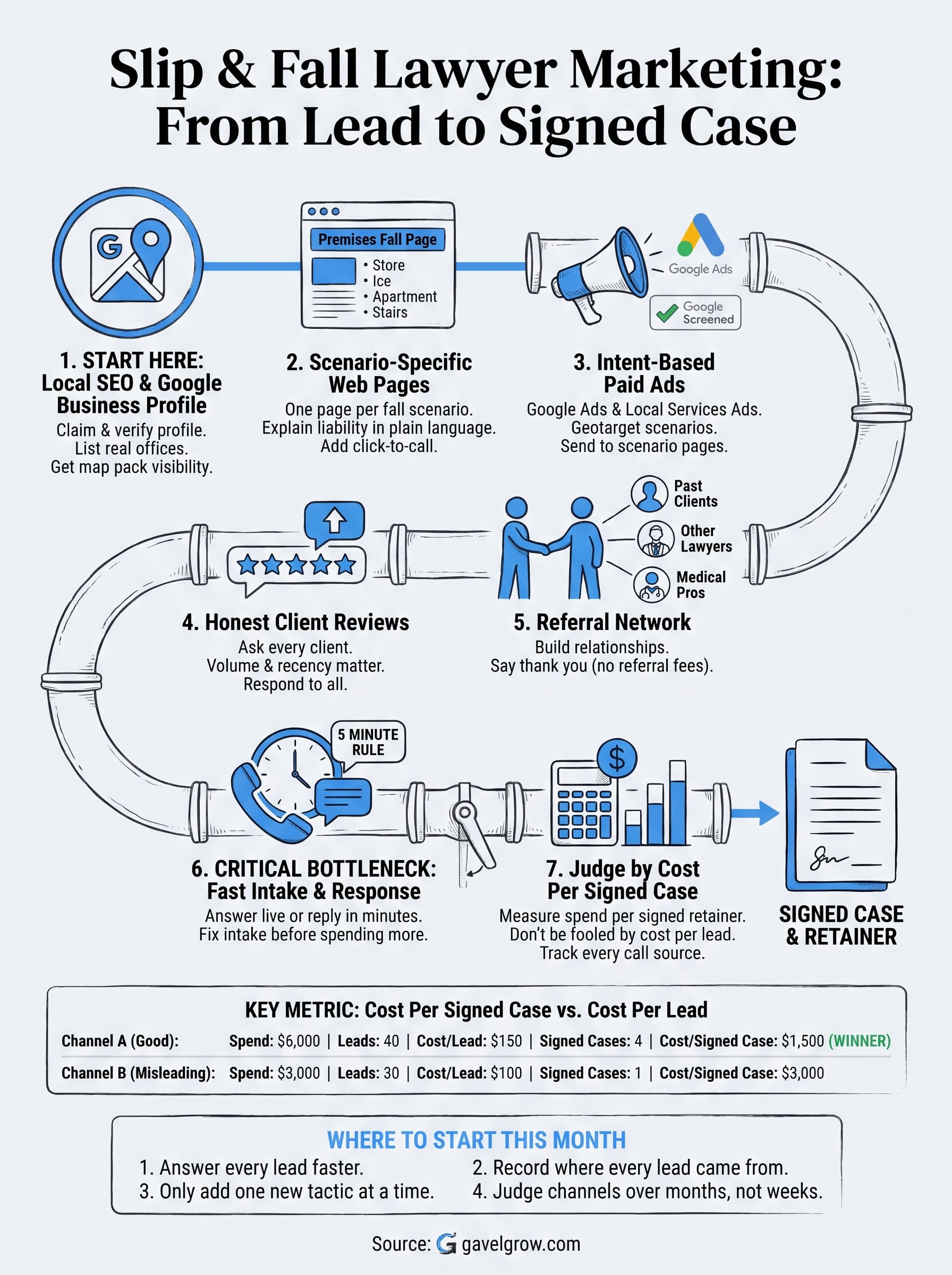
Measure each channel by cost per signed case: spend divided by signed retainers. Cost per lead hides the difference between a form fill and a client. Here is a worked example with two channels over the same month.
Channel B looks cheaper per lead and costs twice as much per signed case.
What to do first
Give every campaign its own call tracking number, record the source on every lead including callers who never fill out a form, and tag each call as qualified, callback, unqualified or spam. GavelGrow's marketing platform does this in one dashboard, from ad click to signed retainer. Track is $199 a month and Optimize is $599 a month, both with a 7-day free trial and no credit card. To budget, plug your numbers into the cost-per-acquisition calculator.
What to watch for
One signed case is noise, not a trend, so judge channels over several months. Slip and fall matters can take a long time to resolve, so attribution has to survive the wait. A commonly cited starting range for personal injury firms is 15 to 20 percent of gross revenue on marketing. Treat it as a starting point and let your own numbers move you.
Spend more on the channel that signs cases, not the one that fills your inbox.
Where to start this month
Slip and fall lawyer marketing works when each tactic hands off to the next. Local SEO and scenario pages get you found, ads add speed, reviews and referrals add trust, and intake decides whether any of it turns into a retainer. Measuring cost per signed case tells you where the next dollar should go.
If you can only do one thing this month, answer every lead faster and record where it came from. That fix costs little and makes every other tactic on this list pay back sooner. Then add channels one at a time and judge each over a few months, not a few weeks.
If you want a second opinion on your mix, book a free 45-minute strategy call with GavelGrow's legal-only team.